Insights
Insights
16 articles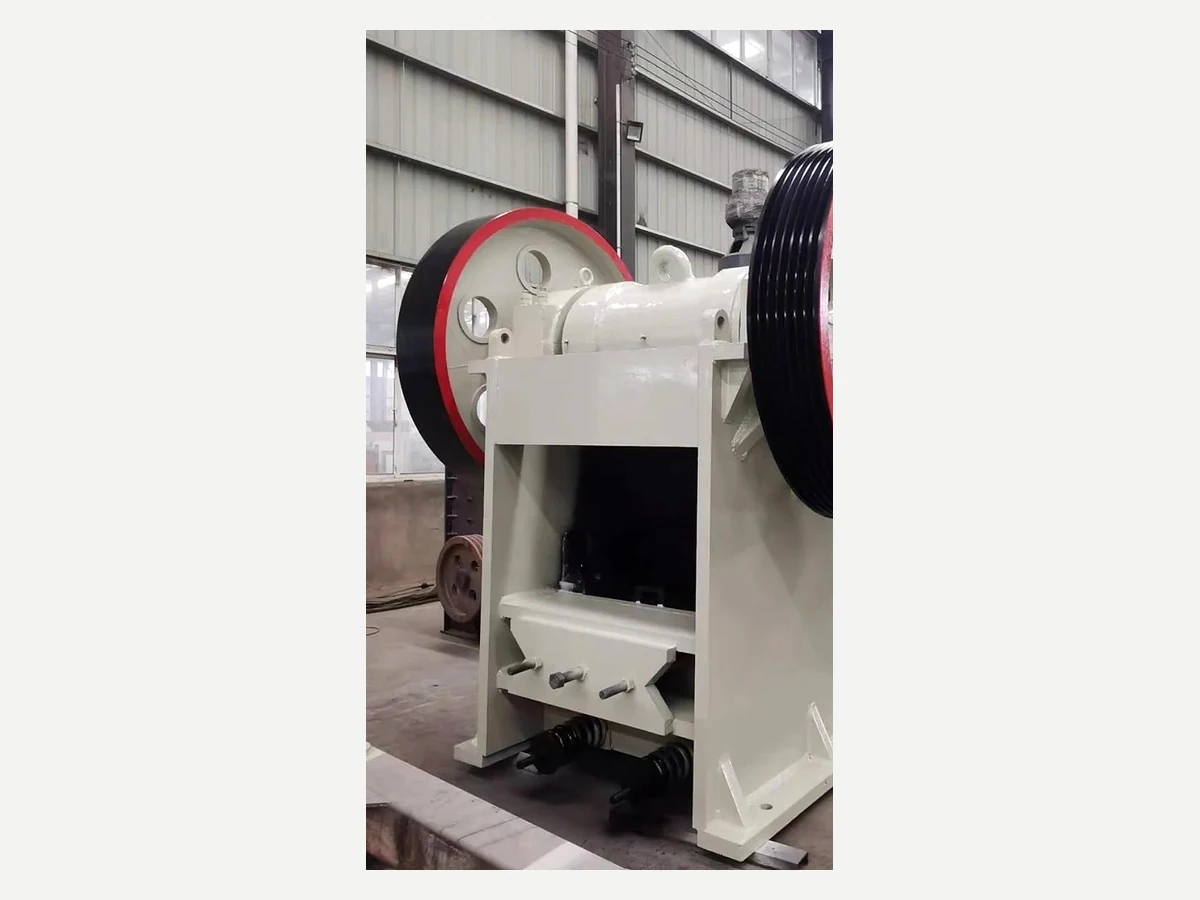
How to Choose a Jaw Crusher for Limestone
Limestone is a medium-hard rock. The jaw crusher is normally the first crushing stage; the right model depends on feed size, target output and hourly capacity.
Read →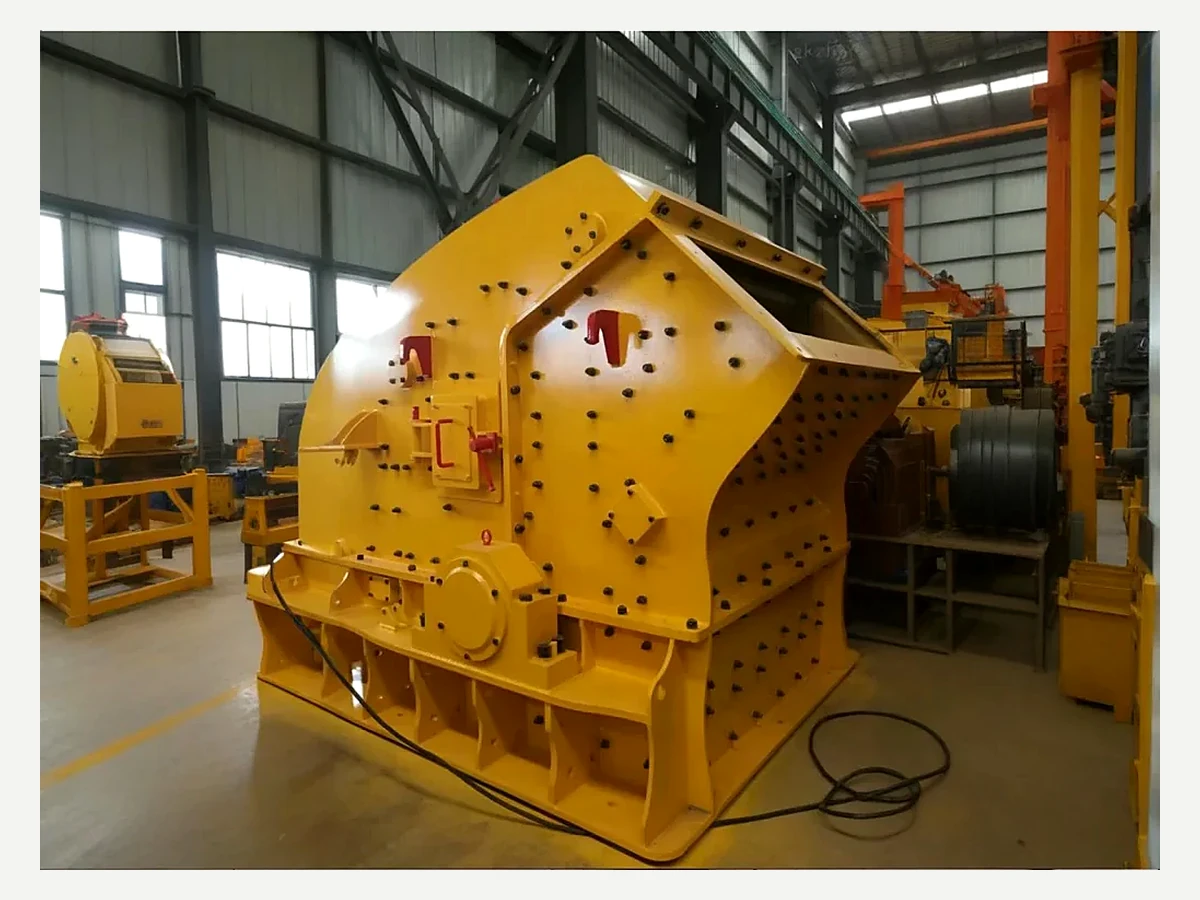
Jaw Crusher vs Cone Crusher: Where Each Fits
Jaw crushers take the first reduction; cone crushers handle secondary and tertiary stages. They are normally used together, not as substitutes.
Read →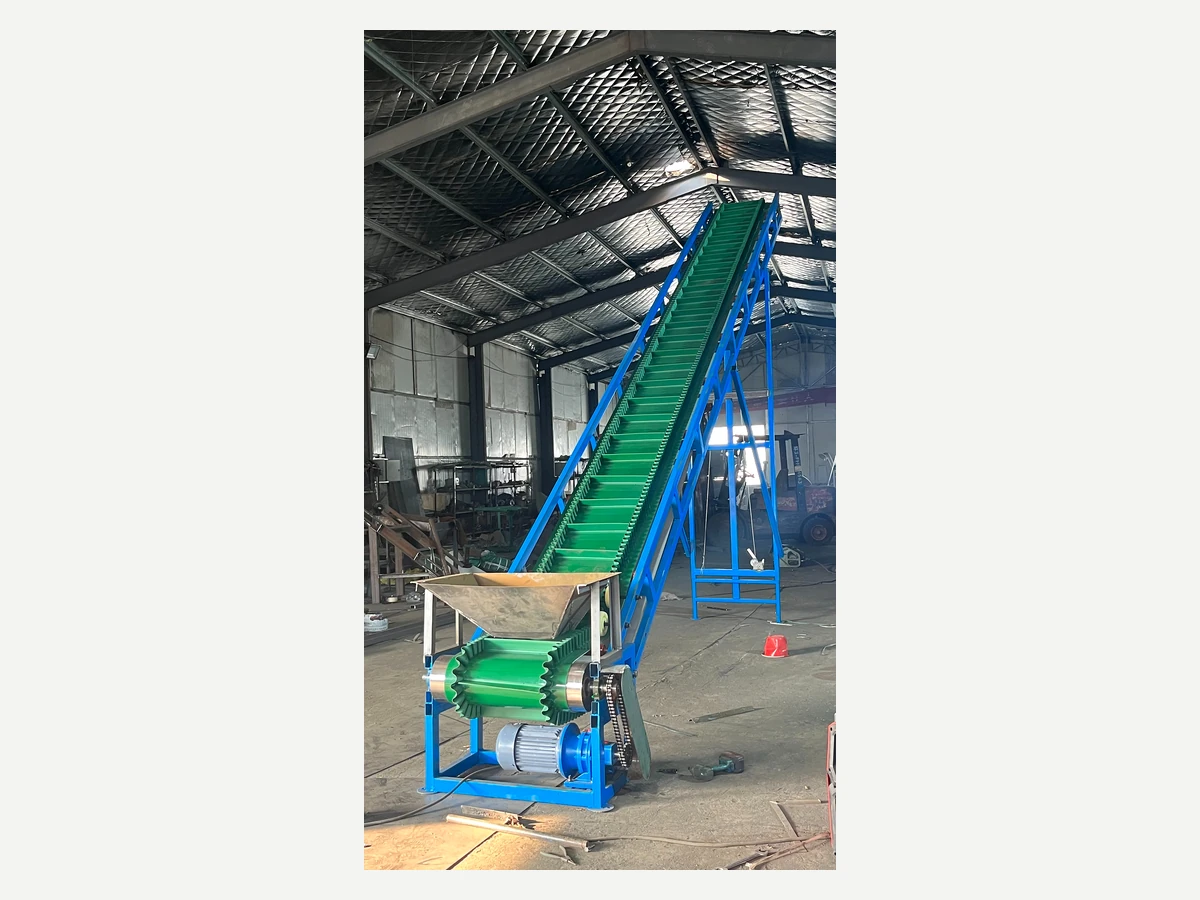
Typical Granite Crushing Line Configuration
Granite is hard and abrasive. A granite line normally uses a jaw crusher for primary reduction and a cone crusher for secondary crushing.
Read →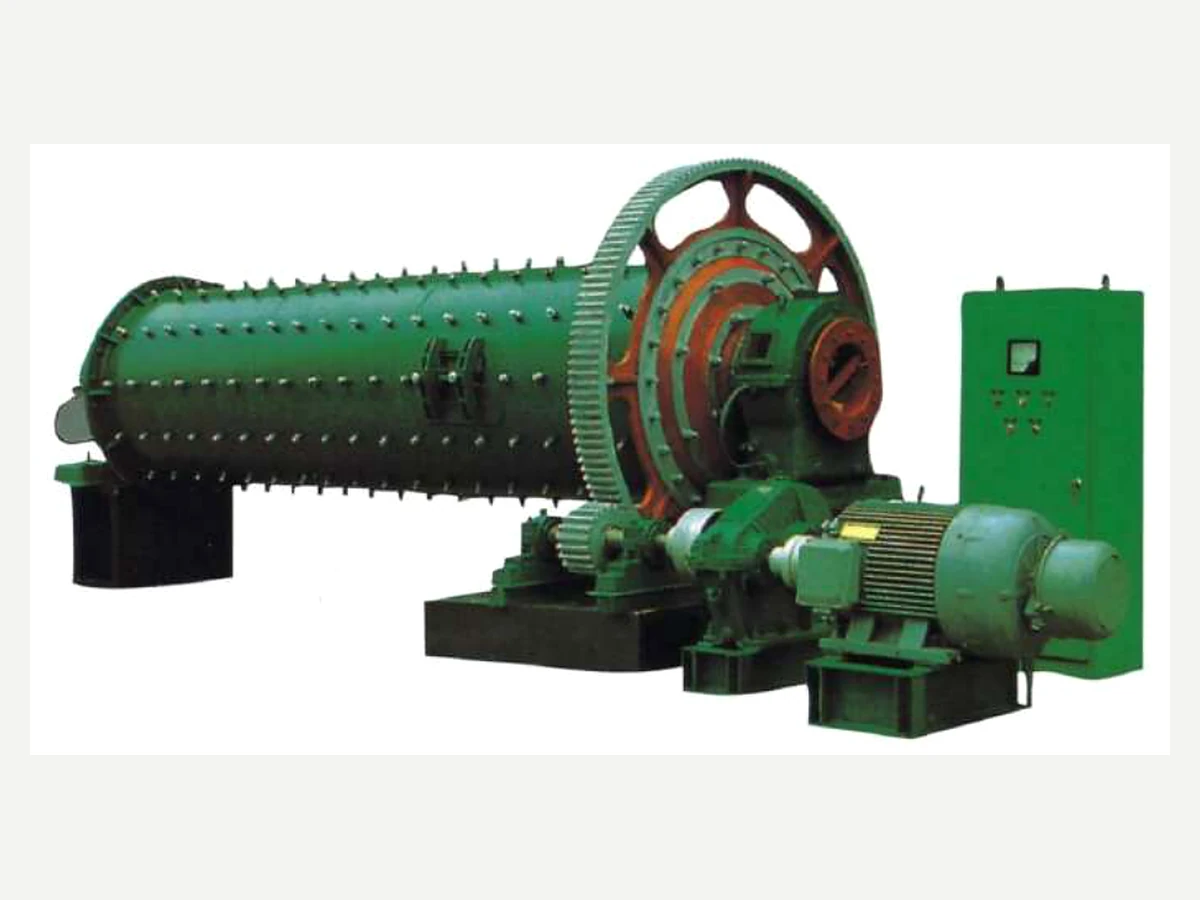
Ball Mill Grinding: Key Operating Factors
A ball mill grinds crushed ore into fine powder. Feed size, grinding media and mill speed are the main operating variables.
Read →Magnetic Separation for Iron Ore: A Practical Overview
Magnetic separators concentrate ferromagnetic minerals from crushed and ground ore. Feed preparation is the key to a stable result.
Read →Gold Ore Processing Line: Main Stages Explained
A gold ore line reduces rock to a size where gold can be concentrated. Crushing, grinding and separation are the three core stages.
Read →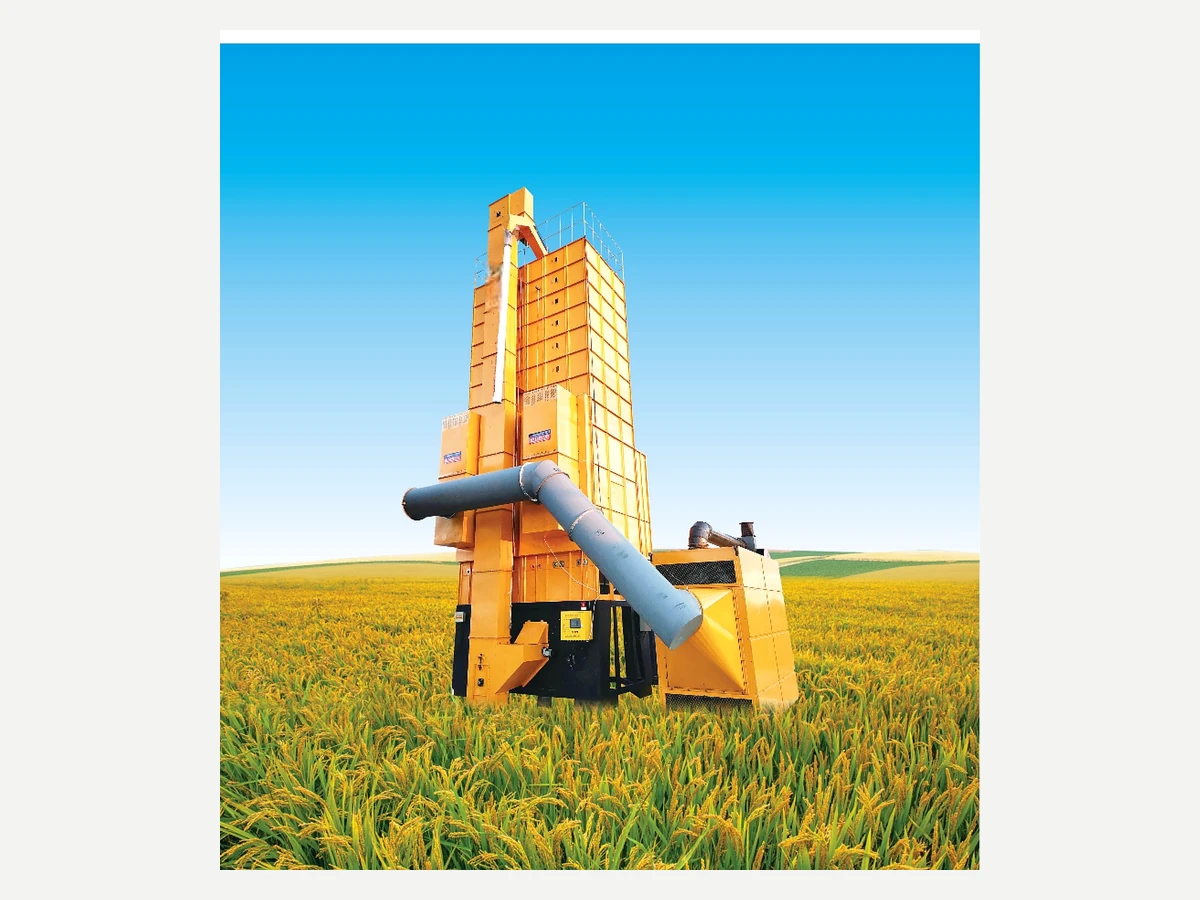
Grain Dryer Moisture Reduction: What the Figures Mean
Grain dryer performance is often described by drying rate per hour. Understanding the figure helps match a dryer to a crop.
Read →Choosing Between 5HXG-5, 5HXG-15 and 5HXG-32
The 5HXG series covers small to large batch drying. The main difference is drying ability and overall size.
Read →Biomass Fuel Options for Grain Dryers
The 5HXG grain dryers accept several fuel types. Choosing the right one depends on local availability and cost.
Read →Rotary Dryer vs Grain Dryer: Different Jobs
Rotary dryers handle bulk minerals; tower grain dryers handle food grain. They are not interchangeable.
Read →Sand Washing and Dewatering: Getting a Clean Product
Washed sand needs dewatering before stockpiling. A dewatering screen removes free moisture after washing.
Read →Belt Conveyor Selection: Four Things to Define
Belt conveyors move material between stages. Belt width, length, incline and capacity must be defined together.
Read →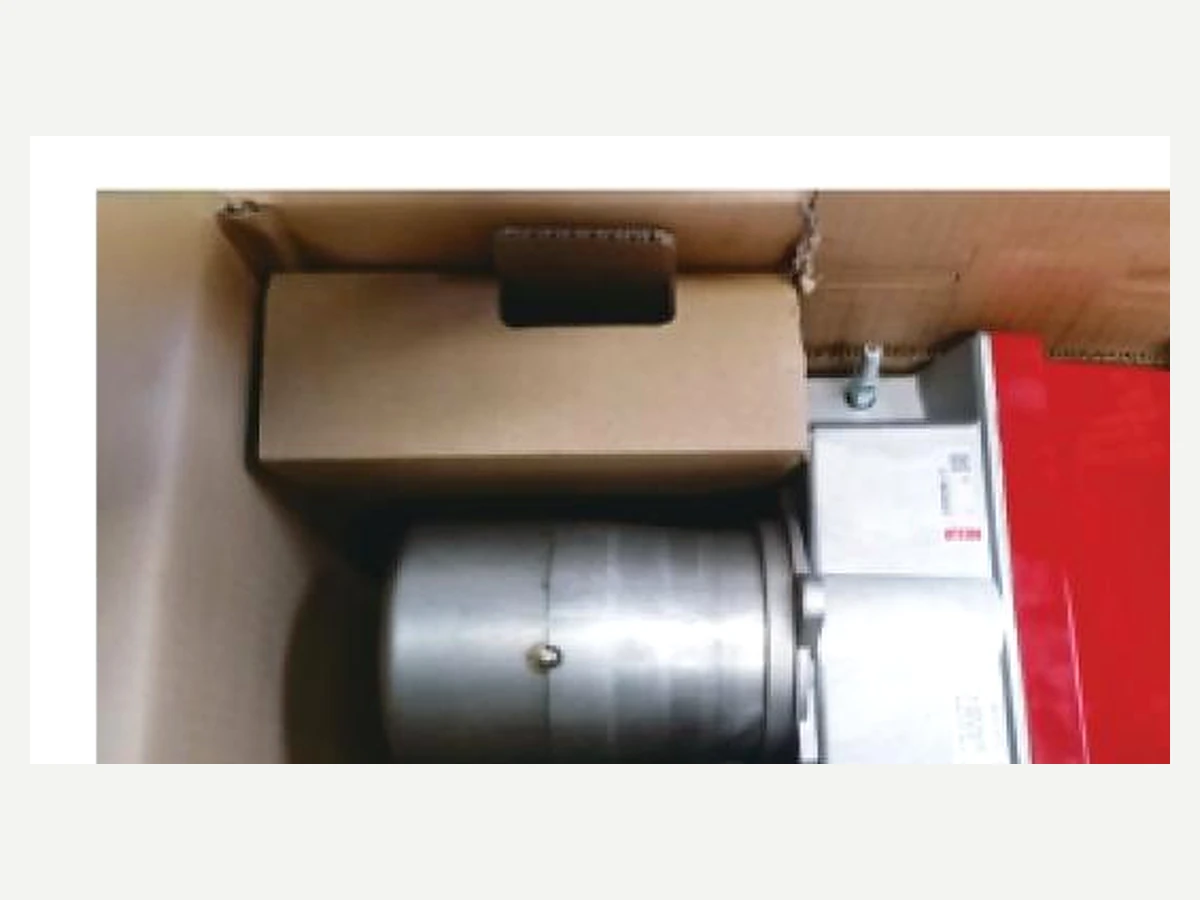
Matching a Biomass Hot Air Furnace to Your Grain Dryer
The XG hot air furnace series is rated by heat value and matched to specific dryer models. Here is how to read the figures.
Read →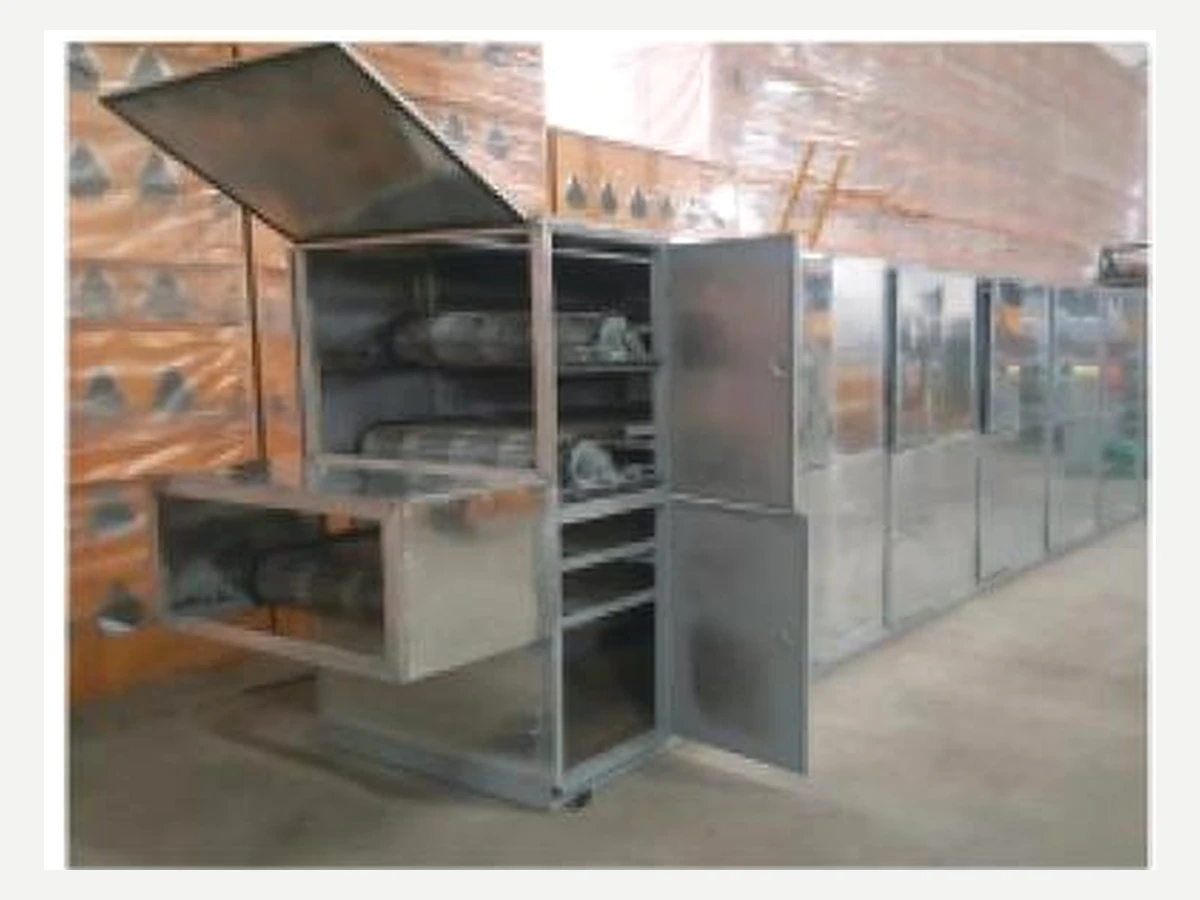
When to Use a Mesh Belt Dryer for Continuous Drying
Mesh belt dryers handle sheet, strip and granular materials continuously. The WD series shows how width and belt area scale.
Read →Choosing a Grain Silo Size: Reading the XGGS Table
The XGGS grain silo series lists six sizes. Volume, eave height and weight rise together.
Read →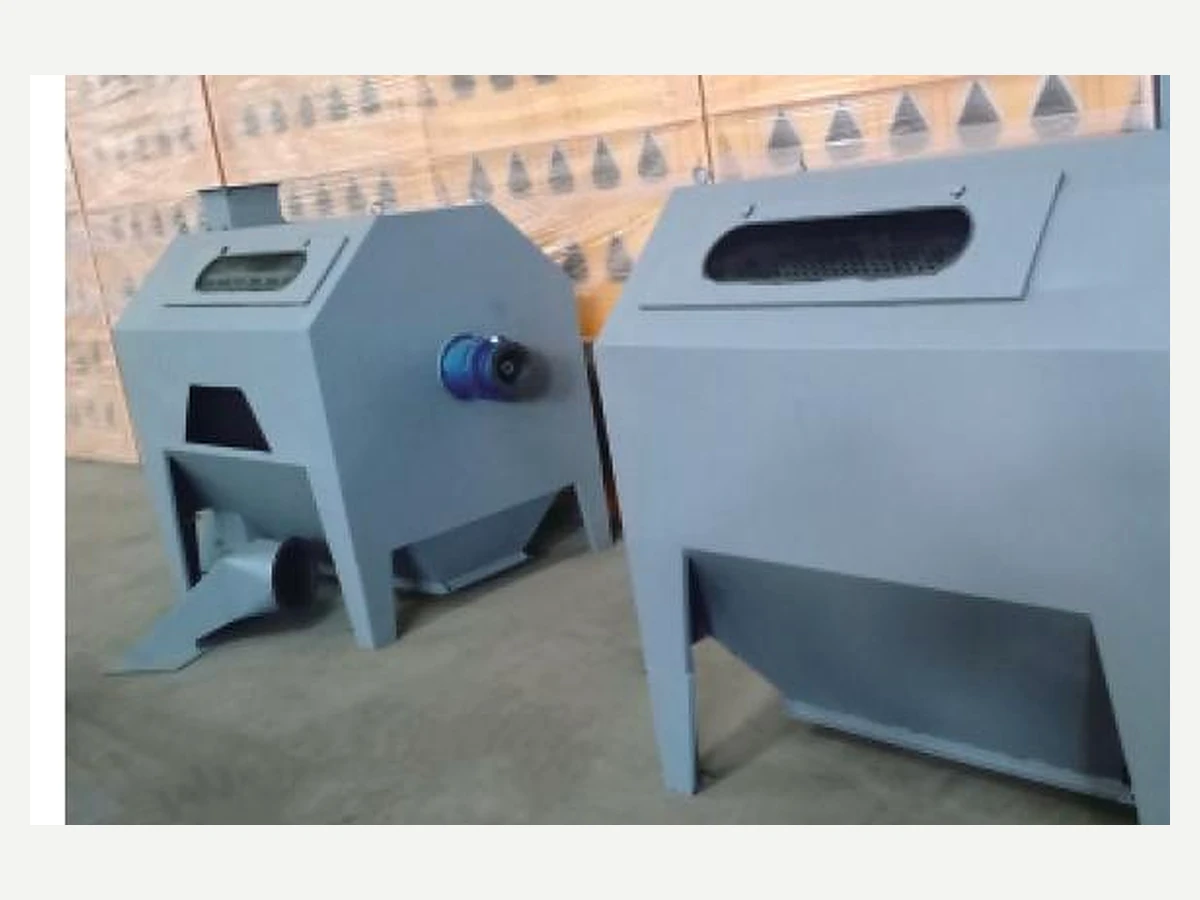
Why Clean Grain Before Drying
Removing straw, stones and defective grain before drying protects the dryer and improves the final lot.
Read →